Sotol 101
Everything you always wanted to know about sotol
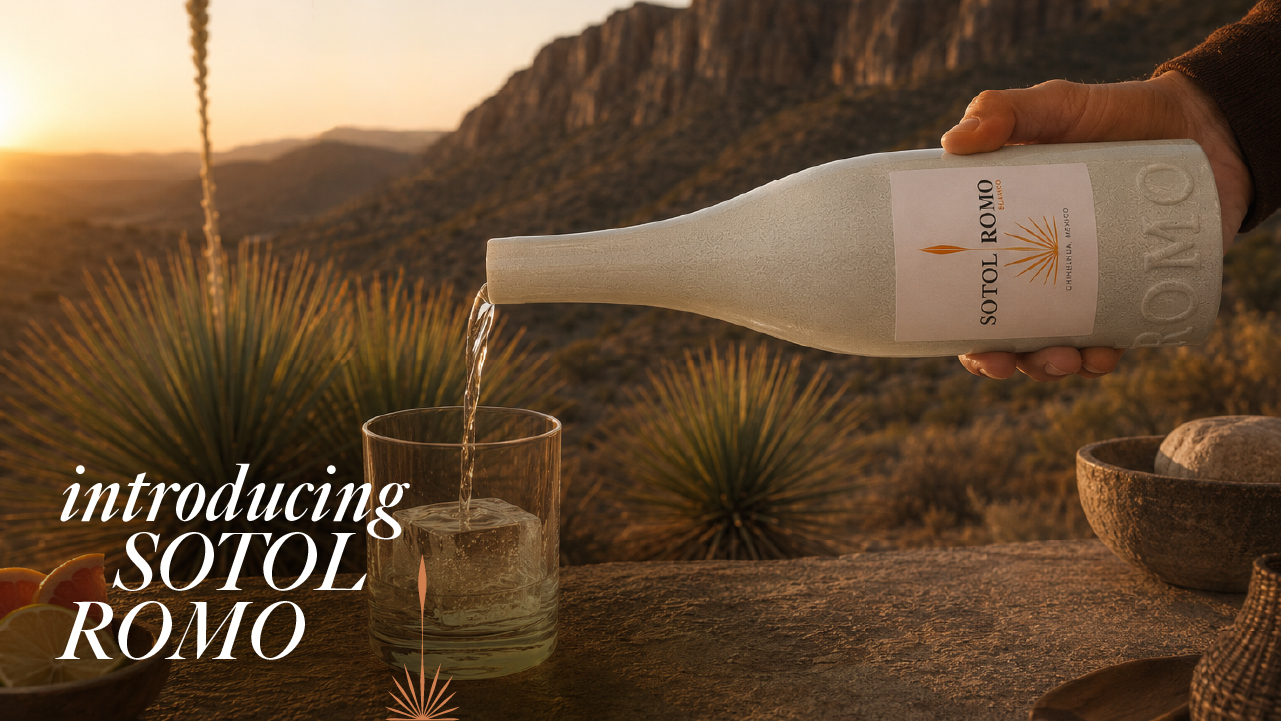

Introducing Sotol Romo
Sotol is Mexico’s ultra-premium ancestral spirit. Sotol Romo follows the classic craft-spirit arc: harvest, cook, ferment, distill—then bottle unaged or aged in wood. Sotol production will feel familiar to tequila or mezcal drinkers, with important variations by producer and region.Not all sotol on the market is made the same way. Under Mexico’s standard, you’ll see two main label categories:
- Sotol 100% Puro is made entirely from dasylirion. To use the “100% Puro” designation, the spirit must also be bottled within the Denomination of Origin. Our sotol is 100% Puro.
- Sotol (often referred to as Sotol Mixto) may legally include up to 49% sugars from non-dasylirion sources. In addition, the standard allows limited abocamiento—up to 1% by weight—using ingredients such as caramel color, glycerin, or natural wood extracts to adjust flavor or appearance.
The SOTOL production process

HARVEST
Mature dasylirion plants are harvested, and the leaves are stripped to reach the heart (piña or cabeza).
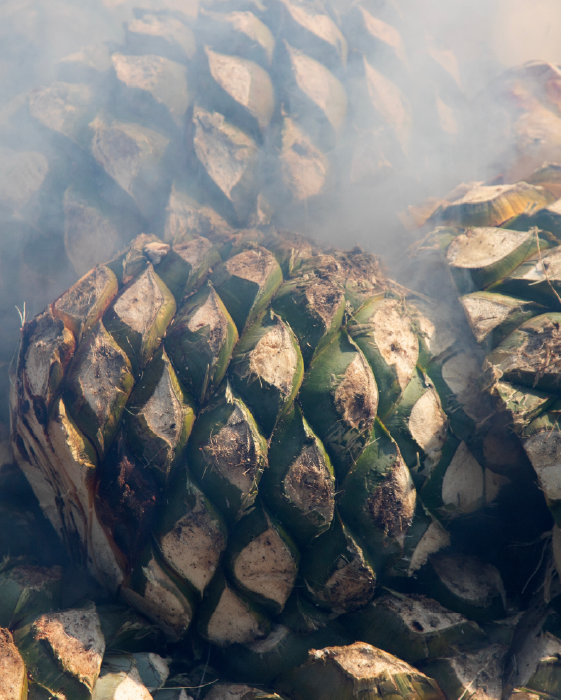
COOK
Hearts are cooked to convert carbohydrates into fermentable sugars. Methods range from fire-based roasting to more controlled ovens or steam systems.
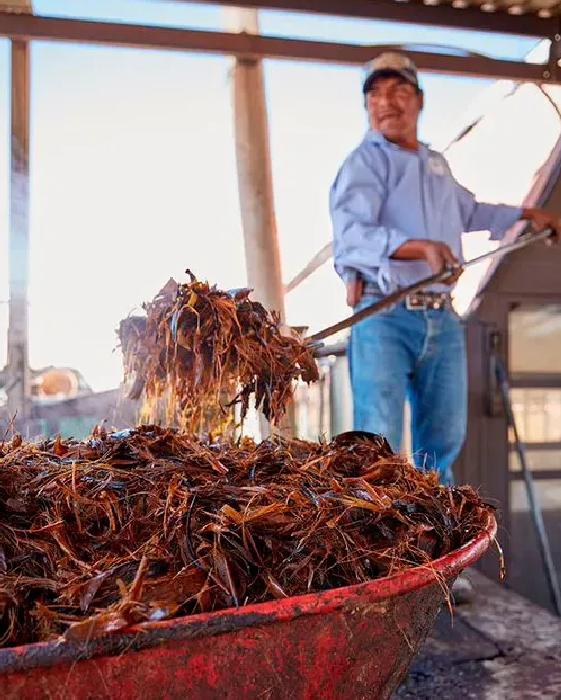
CRUSH
Cooked hearts are crushed or milled to extract fermentable material.

FERMENT
The must is mixed with water and fermented using either native or cultured yeast.
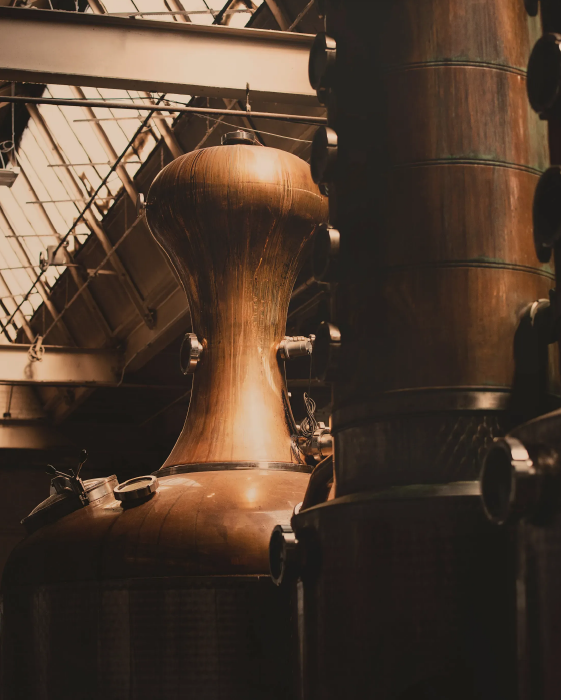
DISTILL
The fermented liquid is distilled (often twice), producing a clear spirit that may be bottled as blanco or aged into reposado and añejo styles.
The Sotol Timeline
An 800-Year Old Tradition.
Pre-Hispanic Era (800+ years ago)
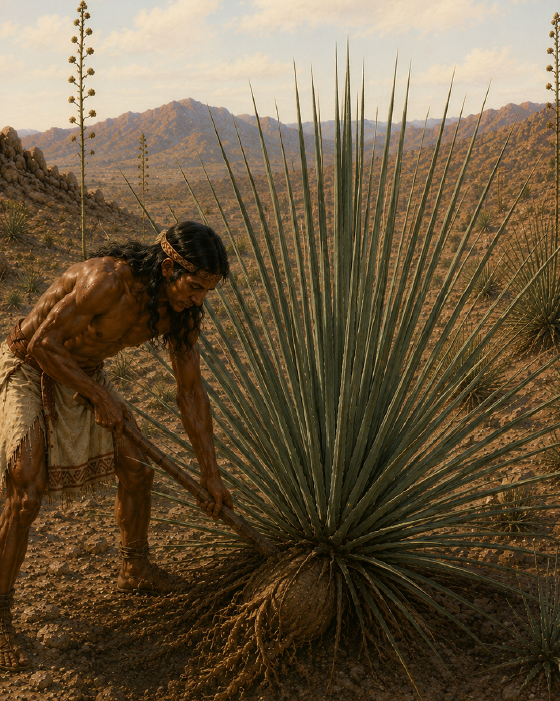
Indigenous communities in northern Mexico work with the dasylirion plant for food, fiber, fermented drinks, and early distilled beverages, establishing the foundations of sotol.
16th-19th Centuries

Distillation knowledge evolved during the colonial period. Sotol became part of regional culture in Chihuahua, Coahuila, and Durango, produced and consumed locally.
Early 20th Century (1920–1930)
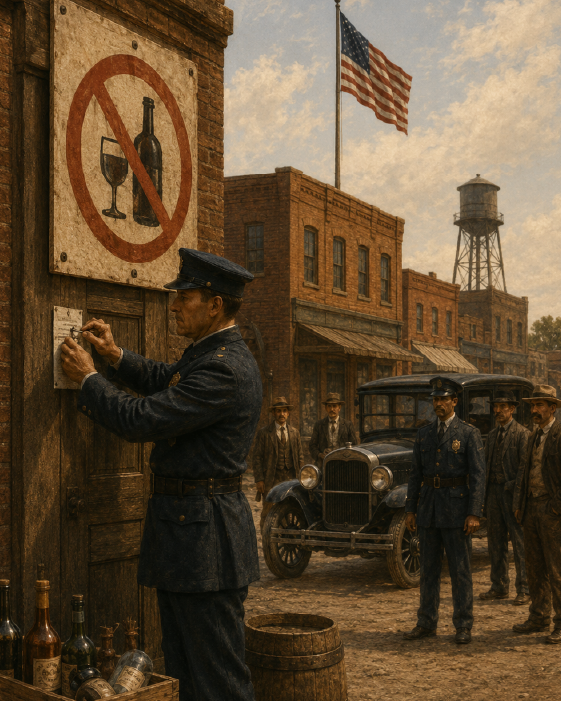
U.S. Prohibition and cross-border restrictions disrupt trade and visibility. Sotol production continues informally in Mexico but remains outside formal markets.
Mid-twentieth Century
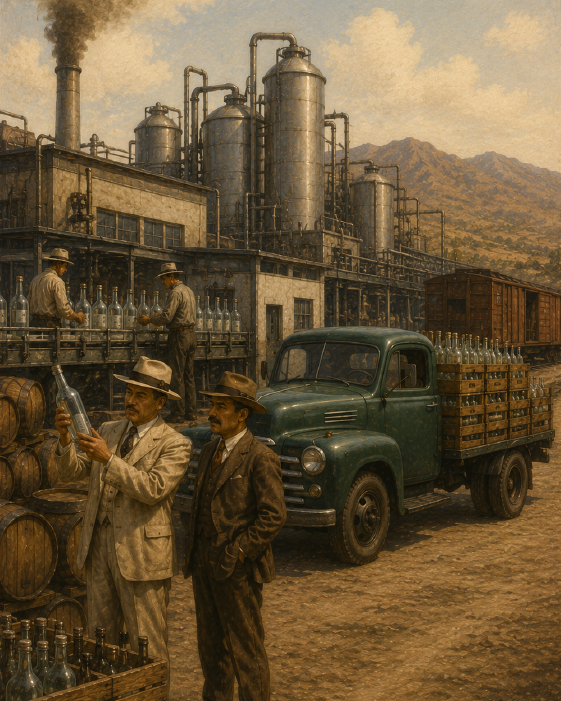
While tequila becomes industrialized and exported, and mezcal slowly gains recognition, sotol remains largely unregulated and regionally confined.
2002

Sotol is granted Denomination of Origin in Mexico, formally recognizing Chihuahua, Coahuila, and Durango as its protected regions.
2004
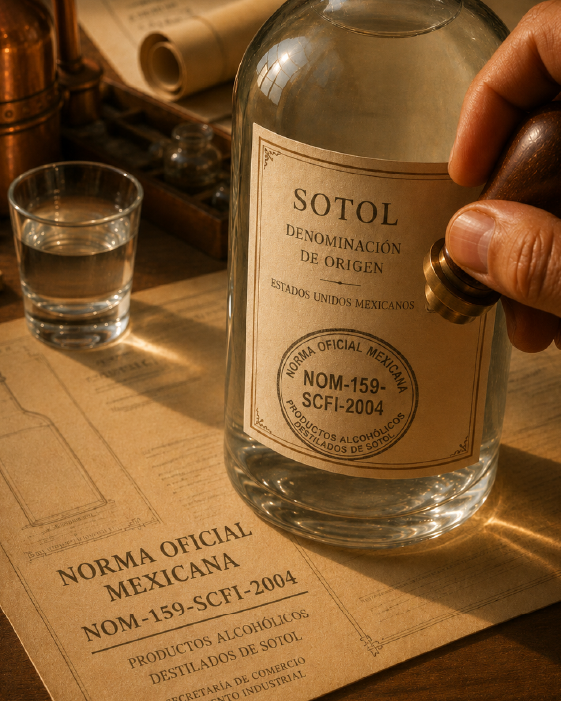
Mexico establishes official production standards (NOM-159-SCFI-2004), defining how sotol is made, categorized, and labeled.
2000s–2010s

Small producers and families continue making sotol, but the category remains niche, with limited international awareness.
Today

Sotol enters a new phase: rediscovered by bartenders and premium spirits consumers, positioned for responsible growth as a distinct Mexican spirit category, not a variation of tequila or mezcal, but a reborn expression of the northern desert.
SOTOL REGIONS & MAP

SUSTAINABILITY
Sotol Romo is rooted in northern Mexico, where respect for the land, the people, and the craft defines everything we do.
Our vision is for sotol to generate, in northern Mexico, what tequila did for the south—creating economic opportunity at scale.
We work alongside local communities in Mexico—hiring locally, preserving craftsmanship, and contributing to long-term economic growth. In the markets we serve, we give back to the hospitality community, where Latinos play a central role. Through our connection with the We Are All Human Foundation, we support Latino communities through visibility, storytelling, and opportunity.
Sotol is naturally sustainable—wild-