AGE VERIFICATION

By clicking "Enter", I certify that I am of legal drinking age in the country where I currently reside.

Sotol Romo Bottle Feature

SOTOL
ROMO

The Next Big Thing after Tequila and Mezcal

SOTOL 101

ORIGIN

Sotol has been crafted for more than 800 years, with Indigenous origins and distillation practices that have evolved over time.

Indigenous communities in what are now Chihuahua, Coahuila, and Durango worked with the wild dasylirion plant long before modern spirits existed, first for food and fermented beverages and later for distillation.

Sotol’s roots predate Spanish colonization and are closely tied to life in the northern desert.

During the colonial period, particularly from the second half of the 16th century onward, distillation knowledge, introduced by Europeans, was adapted locally and applied to native plants, including dasylirion. Over time, sotol became part of the cultural fabric of northern Mexico, produced and consumed at a regional and family level.

While production persisted locally throughout the 20th century, sotol remained largely unregulated and outside formal markets. This was shaped by U.S. Prohibition, cross-border restrictions, and the absence of a clear legal framework in Mexico, until the country established Denomination of Origin, recognizing Chihuahua, Coahuila, and Durango as its protected regions. In 2004, NOM-159-SCFI-2004 established official standards for how sotol is produced, categorized, and labeled.

While tequila became industrialized and exported globally, and mezcal gradually gained recognition, sotol stayed largely confined to its region.

Only In the last two to three decades, sotol has begun to re-enter broader markets as a defined and regulated Mexican spirit. Today, the category is re-emerging with clarity and structure.

THE PLANT

Sotol is made from Dasylirion, a wild desert plant that grows slowly and naturally in northern Mexico’s harsh landscapes.

A desert plant native to northern Mexico and parts of the U.S. Southwest. Dasylirion grows in arid, rocky landscapes with wide temperature swings, minimal rainfall, and poor soil. The plant develops slowly, typically taking 15 to 20 years to mature, and grows naturally without irrigation, chemical inputs, or intensive farming.

Unlike agave, Dasylirion plants reproduce through natural pollination and exist as separate male and female plants, which promotes genetic diversity and ties each plant closely to its environment.

To make sotol, producers harvest the plant’s core or heart—often referred to as the piña or cabeza—after removing the long, spiny leaves. The heart contains the carbohydrates that, once cooked and fermented, become the base of the spirit.

There are over 20 recognized species within the Dasylirion genus, depending on classification. In Mexico, the most commonly used include Dasylirion leiophyllum (the most widespread), durangense, and the rarer cedrosanum and palaciosii. In Texas, Dasylirion texanum is most commonly referenced.

Although it may look cactus-like, Dasylirion is not a cactus. It is a flowering monocot and belongs to the Asparagaceae family, but on a different branch than agave:

  • Family: Asparagaceae
  • Subfamily: Nolinoideae → Dasylirion (sotol), Nolina, Beaucarnea
  • Subfamily: Agavoideae → Agave, Yucca, Hesperaloe

Their similar appearance comes from adapting to similar desert conditions—not from being the same plant.

Dasylirion grows where few plants can survive. Its resilience, slow development, and deep connection to place are reflected in the character of the spirit it produces.

TASTE

Sotol is light, elegant, and aromatic, with a lifted, dry profile shaped by the desert where it grows.

Sotol’s character is defined by clarity and balance rather than weight. As Richard Betts describes it:

“Sotol has a light, elegant, and aromatic profile. It reflects the desert where it grows, with notes of citrus, red fruits, cinnamon, and a sense of minerality. The taste is lifted and clear, soft and round, with a subtle complexity.”

Rather than presenting one dominant note, sotol expresses a range shaped by species, terrain, and technique. Its aromatics tend to open gradually, revealing herbal and mineral structure with gentle spice and a naturally dry finish.

A simple way to experience it:

  • First Impression: clean, lifted aromatics
  • Mid-Palate: herbal and mineral structure, soft spice
  • Finish: dry, clear, and balanced

Sotol’s appeal lies in restraint. The flavors are present without being forceful, allowing nuance and place to come through without heaviness.

HOW IT'S MADE

Sotol follows the classic craft-spirit arc: harvest, cook, ferment, distill—then bottle unaged or age in wood. Sotol production will feel familiar to tequila or mezcal drinkers, with important variations by producer and region.

Harvest

Mature dasylirion plants are harvested and the leaves are stripped to reach the heart (piña or cabeza).

Cook

Hearts are cooked to convert carbohydrates into fermentable sugars. Methods range from fire-based roasting to more controlled ovens or steam systems.

Crush

Cooked hearts are crushed or milled to extract fermentable material.

Ferment

The must is mixed with water and fermented using either native or cultured yeast.

Distill

The fermented liquid is distilled (often twice), producing a clear spirit that may be bottled as blanco or aged into reposado and añejo styles.

Not all sotol on the market is made the same way. Under Mexico’s standard, you’ll see two main label categories:

  • Sotol 100% Puro: 100% sugars from Dasylirion (and bottled within the Denomination of Origin)
  • Sotol: may include up to 49% sugars from non-Dasylirion sources.

SOTOL VS TEQUILA & MEZCAL

Sotol is the next big Mexican spirit after tequila and mezcal. It follows the same distillation tradition—cook, ferment, distill—but it comes from a completely different plant. Tequila and mezcal are made from agave.

Sotol is made from dasylirion, a wild desert plant native to the north of Mexico. Same process. Different plant. A distinctly better result for today’s drinker.

Agave, used for tequila and mezcal, is typically farmed, often cloned, and harvested in 7–10 years, growing on flatter, sunnier terrain.

Dasylirion grows wild in harsher desert conditions, reproduces naturally through male and female plants, and takes 15–20 years to mature. Because of that slow growth, the plant develops all the sugars it needs on its own—nothing added, nothing forced. The result is a spirit that is cleaner, leaner, and drier, with less sweetness and no need for correction. Sotol feels aromatic, composed, and easy to return to again and again.

Sotol sits alongside tequila and mezcal, but it behaves differently — lighter than mezcal, more aromatic than tequila.

As Richard Betts puts it:

"Sotol is adjacent to tequila and mezcal, but it is its own category."

That distinction shows up clearly in the glass.

“Compared to mezcal, sotol is lighter, more elegant, and less smoky or forceful. It allows more space for subtle flavors and balance. Compared to tequila, it feels more aromatic and refined, with a clearer expression of the land.”

In practical terms:

Compared to tequila, sotol is typically drier and more aromatic, shifting the focus away from sweetness and toward origin.

Next to mezcal, sotol tends to be softer and more lifted, with smoke (when present) playing a supporting role rather than dominating.

As Betts summarizes:

“Sotol offers a softer, more lifted profile while keeping the complexity that people expect from premium Mexican spirits.”

Sotol is not meant to replace tequila or mezcal. It offers a different expression — one grounded in balance, precision, and a refined sense of place.

At a glance:

Signature Feel:

Tequila = round & bright | Mezcal = deep & expressive | Sotol = dry & aromatic

Best Moment:

Tequila = crisp & social | Mezcal = contemplative | Sotol = refined & versatile

In summary, Tequila is the foundation. Mezcal is the artisanal, smoky disruptor.

Sotol is the evolution—the treasure of the desert. You haven’t heard much about it yet because sotol is a newly defined category, with Denomination of Origin granted decades later than tequila. But for drinkers who are ready for what comes next—more purity, more elegance, more intention—sotol isn’t an alternative. It’s the next chapter.
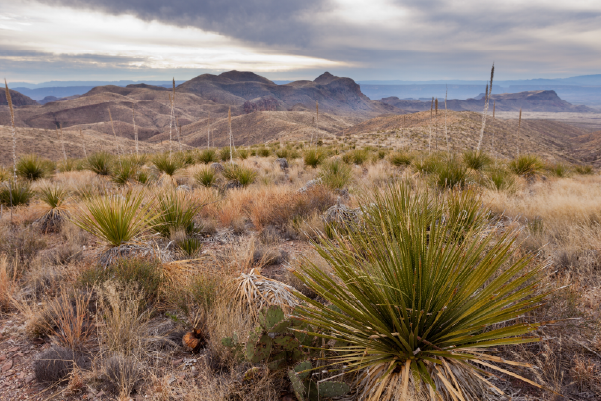
Desert Landscape

THE SOTOL
ROMO STORY

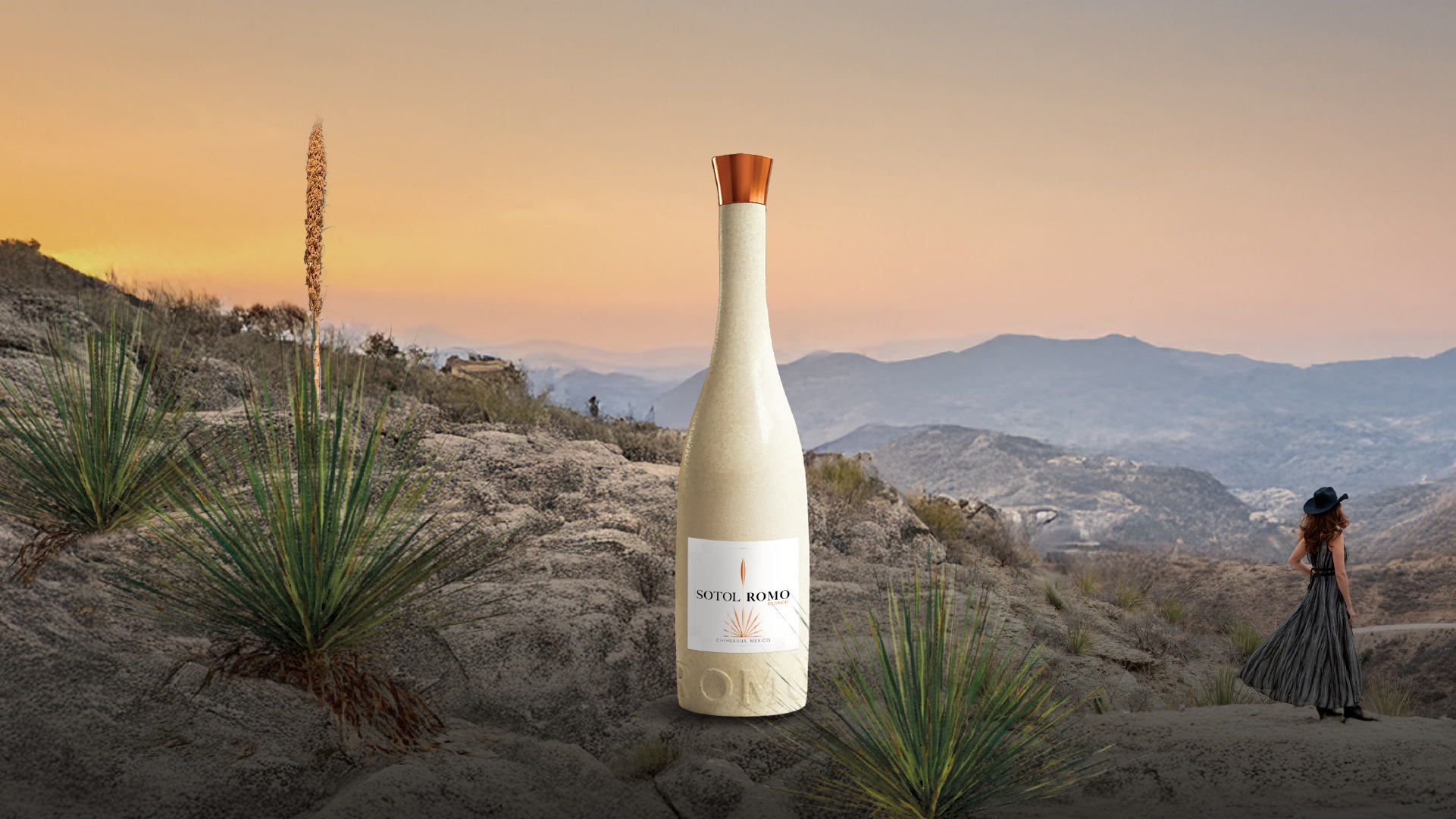
Sotol Romo is an ultra-premium expression of sotol, rooted in heritage and defined by Northern Mexican modern luxury—refined, authentic, and deeply connected to place.

It is made 100% from Dasylirion, specifically 100% Dasylirion cedrosanum, and bottled as Sotol 100% Puro. Additive-free and organic by nature, Sotol Romo is crafted with just plant and water, allowing the true character of the desert to come through.

In the glass, Sotol Romo is clean, dry, elegant, and precise, with herbal and mineral notes and no excess sweetness. It reflects patience and refinement—the result of slow growth and deliberate choices.

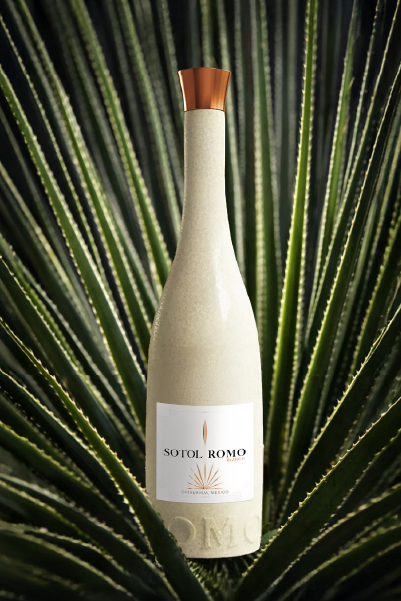
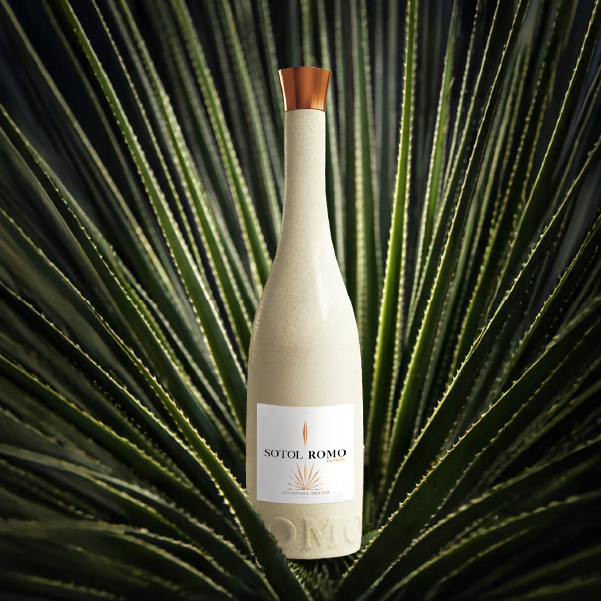
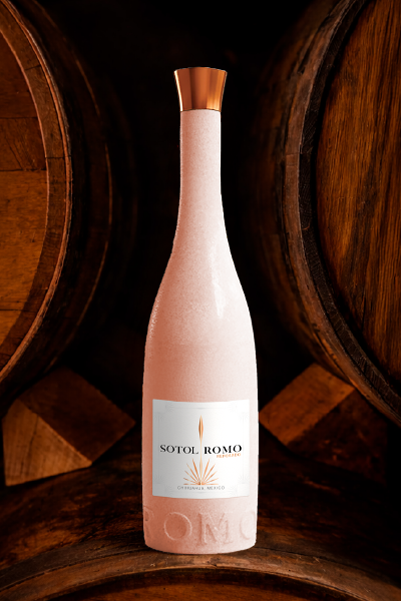
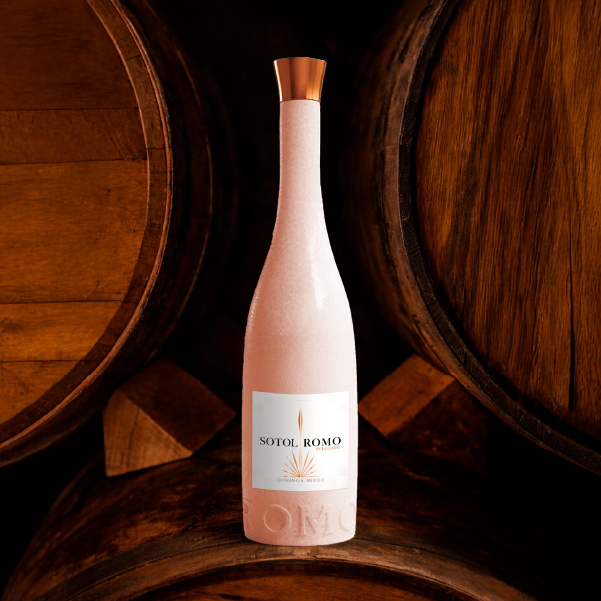
Every detail reinforces this philosophy. The ceramic bottle speaks to craft and permanence, while the copper cap is inspired by the Barranca del Cobre (Copper Canyon) that cuts through Chihuahua, where our sotol is produced. Together, they express confidence, authenticity, and intention.

Sotol Romo represents resilience, independence, and ascent. Like the sotol plant itself, it speaks to people who have made it through effort and time—and who are not done yet. For those drinking less but better, seeking purity over saturation and elegance over excess, Sotol Romo offers clarity, confidence, and discovery.

OUR EXPRESSIONS

Sotol Blanco Bottle Sotol Blanco Bottle

BLANCO

Tasting Notes

Sotol Romo Blanco has a light and aromatic profile. Clean, dry, precise, with herbal and mineral notes and a composed, elegant finish.

Sotol Reposado Bottle Sotol Reposado Bottle

REPOSADO

Tasting Notes

Sotol Romo Reposado begins with the Blanco and is gently rested to add softness and depth while preserving clarity and balance.

Claudia Romo Edelman feature

THE WOMAN
BEHIND THE BRAND

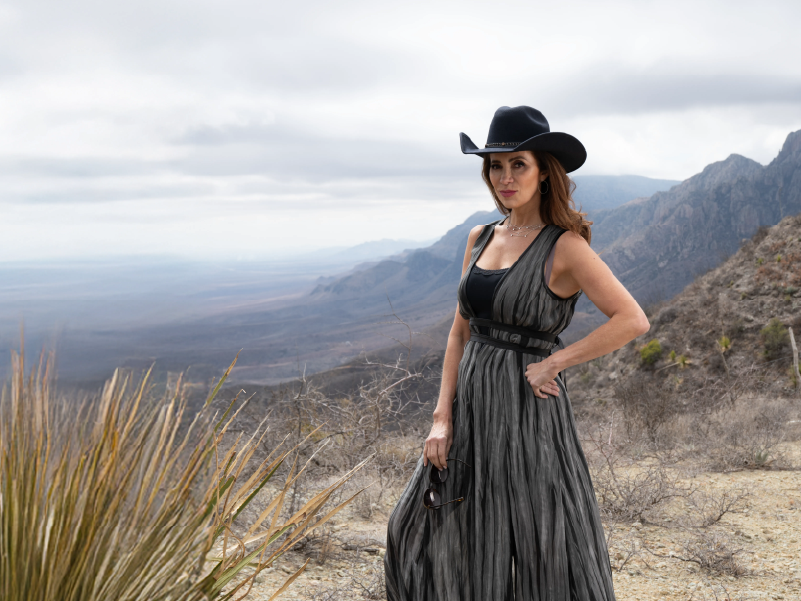
Claudia Romo Edelman

Claudia Romo Edelman is a global brand builder, entrepreneur, and cultural strategist whose career has been dedicated to shaping narratives with purpose and credibility.

She has held senior leadership roles at the World Economic Forum, the United Nations, UNICEF, UNHCR, and the Global Fund, and has helped launch globally recognized initiatives, including Product (RED) and the Sustainable Development Goals. Her work focuses on building trust, mobilizing communities, and creating brands that endure.

With Sotol Romo, Claudia brings that experience home—connecting global perspective with deep cultural roots in Mexico. The result is a brand defined by ascent: honoring where we come from, celebrating how far we’ve come, and continuing forward with intention.


POWERED BY

CKBG Logo

Distributed in

50

U.S. States

Distributed in

40

Countries

Komos is the

3rd

Largest
Ultra-Premium Tequila
in the World

Richard Betts Picture

RICHARD BETTS

Sommelier & Industry Expert

Founder of Astral Tequila and Sombra Mezcal and co-founder of Casa Komos Brands Group, Richard is one of the most respected figures in modern Mexican spirits.

Richard worked closely to perfect Sotol Romo’s profile, ensuring balance, elegance, and clarity in the glass.

Joe Marchese Picture

JOE MARCHESE

Publicist & Marketer

Co-founder of Casa Komos Brands Group, Joe is an award-winning media and advertising innovator, who brings deep expertise in storytelling, brand growth, and attention.

Joe focuses everyday to help Sotol Romo scale with intention and relevance.

PRESS


Bloomberg TV

During Super Bowl Week, Claudia Romo Edelman speaks about Sotol Romo with Romaine Bostick and Katie Greifeld on "The Close."

Bloomberg TV Logo

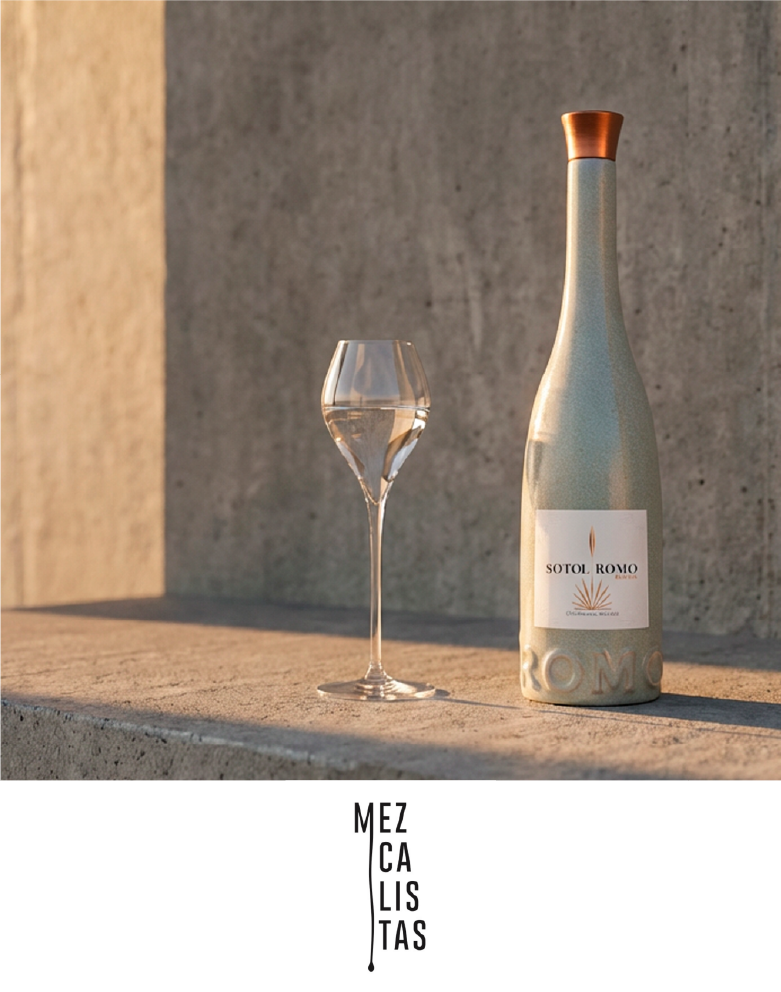
Mezcalistas

Sotol has been called the next big Mexican spirit. Despite seeing more brands and even a sotol week, none has led the charge. That could change with Sotol Romo.

Mezcalistas

Latinaologye

Claudia Romo Edelman: Power, Purpose, and Sotol.

Latinaology

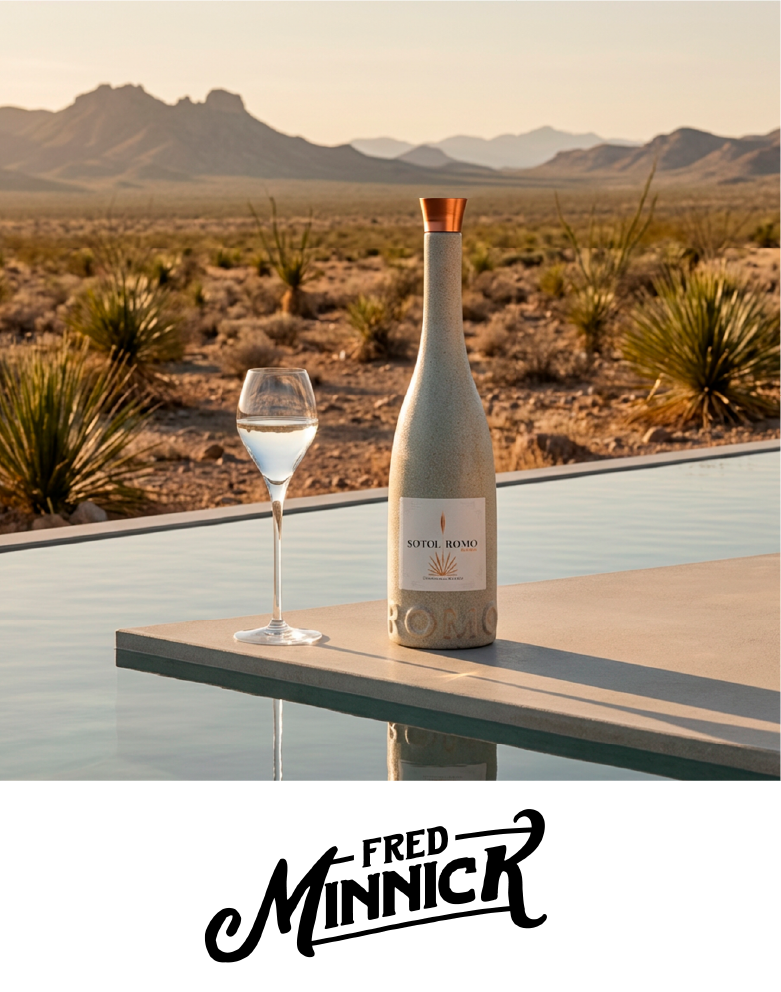
Fred Minnick

Mexican Spirit Sotol Romo debuts in the United States.

Fred Minnick

LatinX Magazine

Sotol Romo Is Redefining Mexican Luxury and Elevating Northern Mexico.

Latin X Magazine

El Financiero

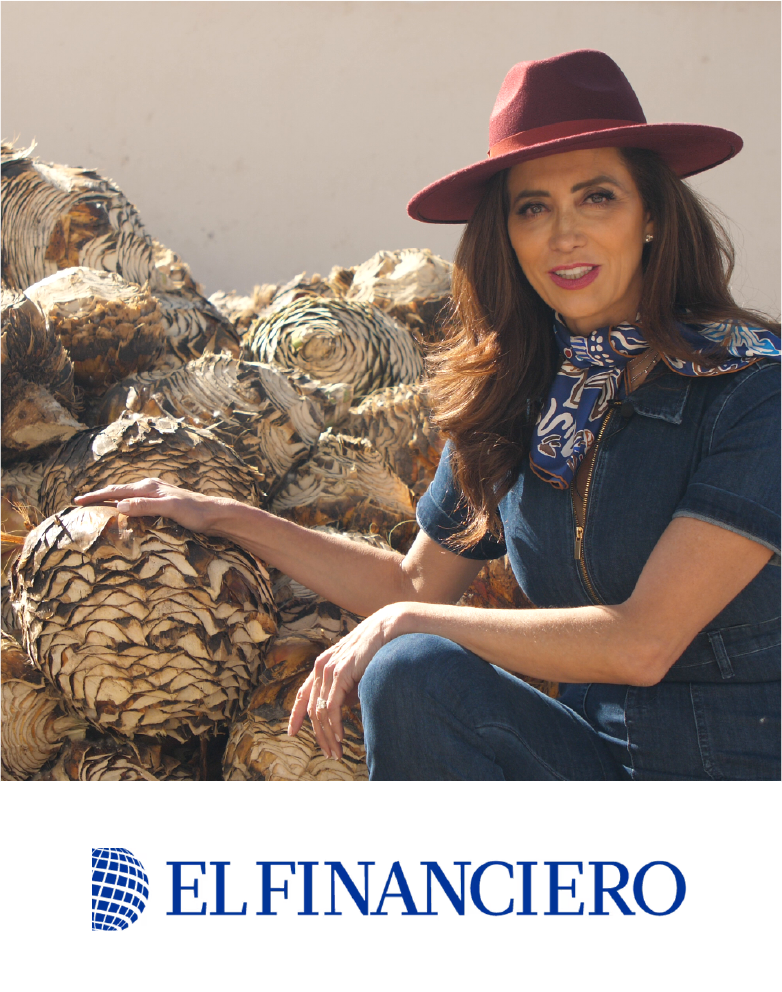
From the desert to the Super Bowl.

El Financiero

Biz Republic

Claudia Romo Edelman Leads the Launch of Sotol Romo, an Ultra-Premium Mexican Spirit, During Super Bowl Week.

Biz Republic

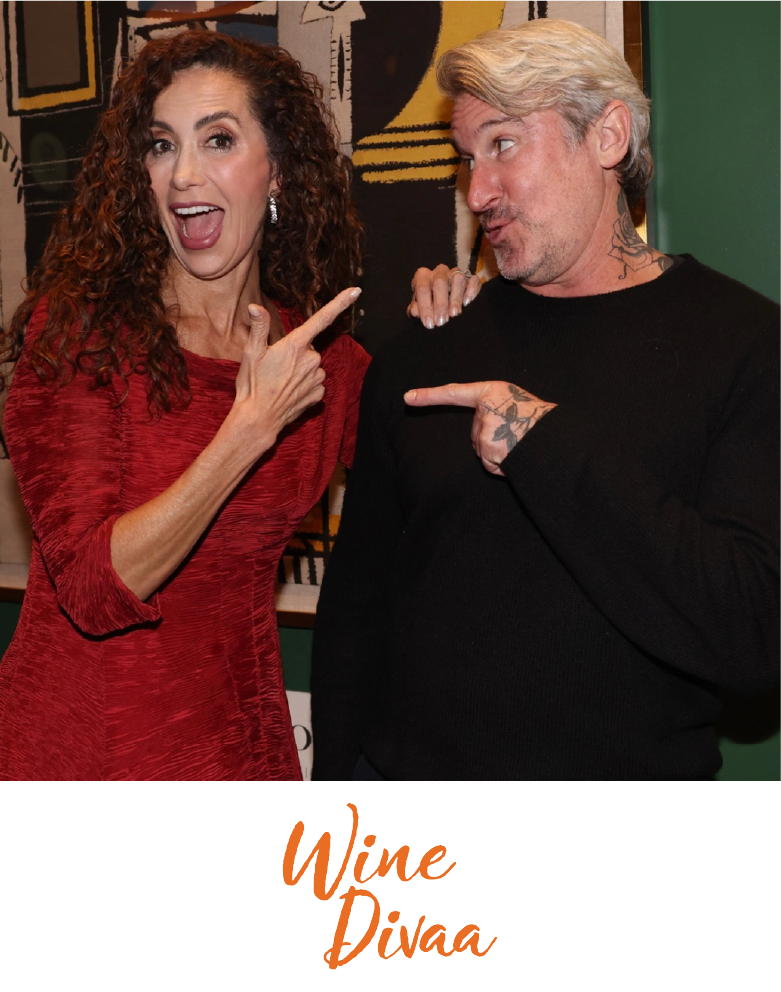
Wine Divaa

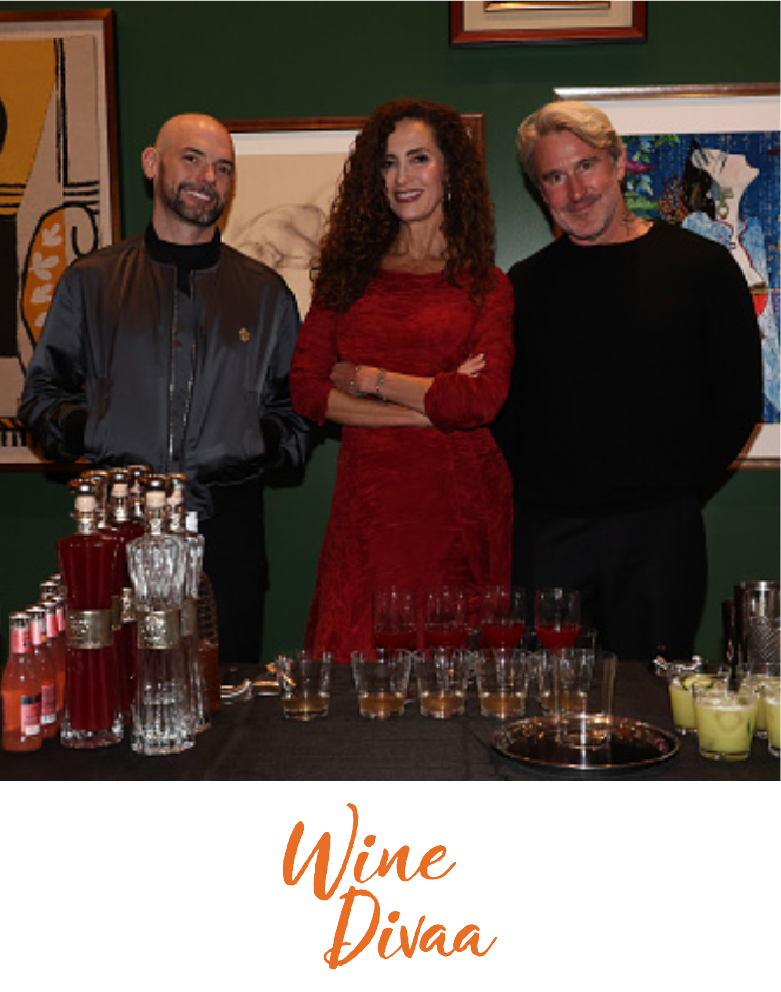
Sotol Romo: The Richard Betts-Backed Spirit Launching at the Super Bowl.

Wine Divaa

Tammilee Tips

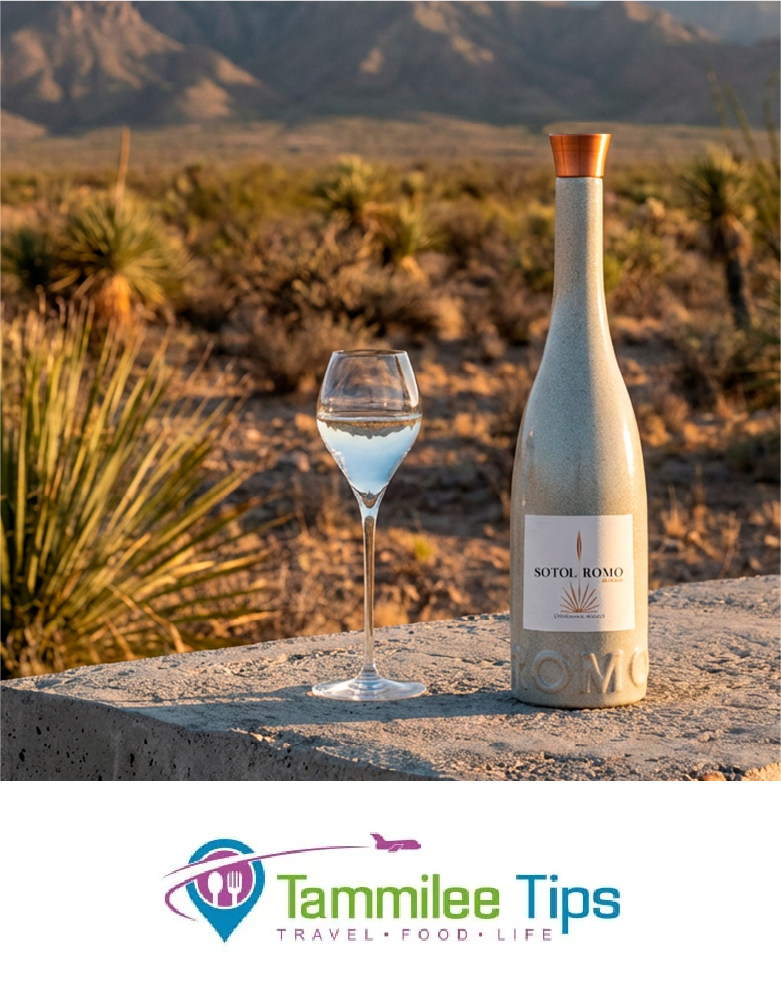
“Sotol Romo is a treasure of the Sierra Madre.”…said Claudia Romo Edelman, Founder and CEO.

Tammilee Tips

Latino Leaders

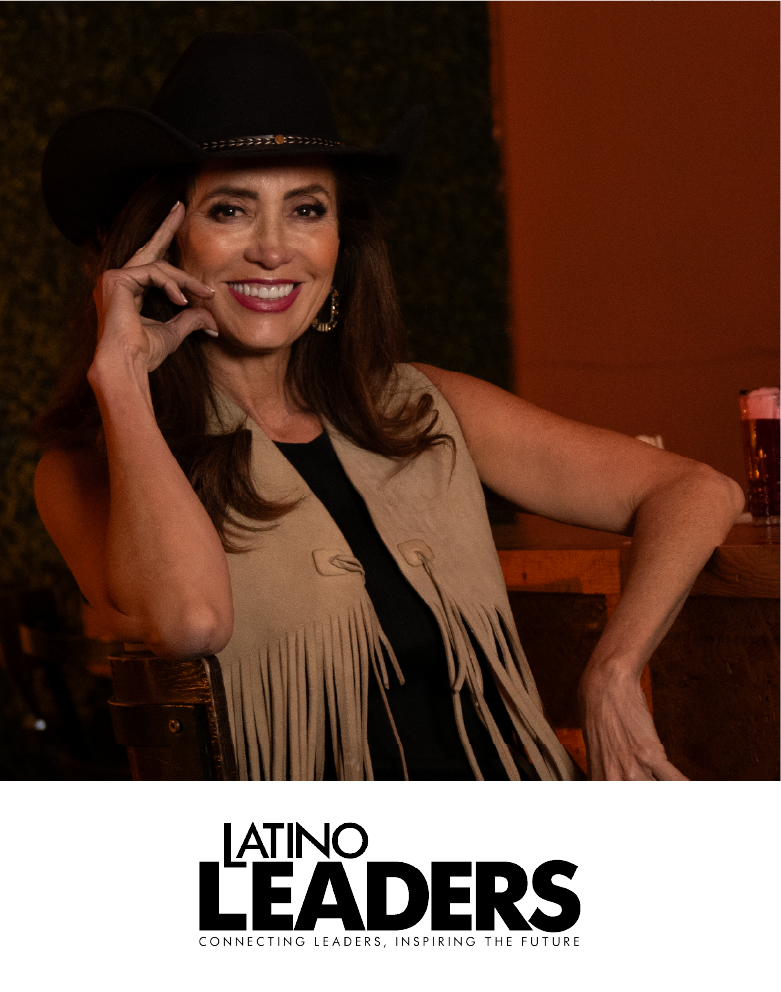
Elevating Latinos –through a bottle. Claudia Romo Edelman bets on Sotol.

Latino Leaders

Spectrum

Como emprendedora, Claudia Romo Edelman ha anunciado en Davos que aprovechará el “Big Game”, el próximo 9 de febrero, para lanzar la marca Sotol Romo.

Spectrum

Business Insider

BIs editorial team at Davos (And yes, that’s Claudia Romo Edelman’s Sotol Romo brand behind us).

Business Insider

Wine Divaa

How Claudia Romo Edelman is redefining Mexican Luxury with Sotol Romo.

Wine Divaa

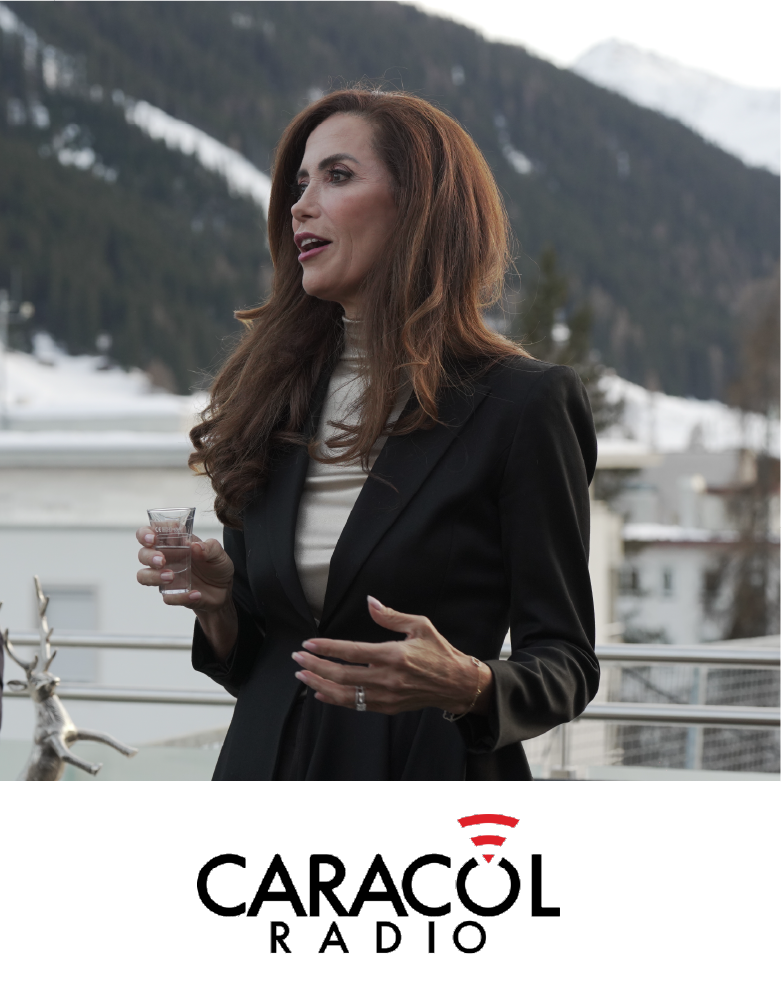
Caracol Radio

Conocemos a Claudia Romo Edelman como periodista, la conocemos por su trabajo en las Naciones Unidas y en el Foro, ahora la conocemos por llevar Sotol Romo al mundo.

Caracol Radio

Latinas Wine Club

The Force Redefining Mexican Modern Luxury. From global diplomacy to the ancestral deserts of Chihuahua.

Latinas Wine Club

UPCOMING EVENTS

04.25-26

2026

Hans Roth Event

04.30

2026

Mexico in NYC

05.15-25

2026

Tasting 25 top accounts Cabo

05.16

2026

Master Class Members Only Cabo

06.9-10

2026

Bar Convent Brooklyn

06.20-27

2026

Cannes Lions

07.20-25

2026

Tales of the Cocktail

FAQs

New to sotol? Here are the questions people ask most.

No. Sotol is not tequila.Tequila is made from agave, while sotol is made from the dasylirion plant. They come from different plants, different regions, and different traditions. Sotol is a distinct Mexican spirit with its own identity, separate from tequila and mezcal.

Yes. Sotol is legally distinct from tequila. Sotol has its own Denomination of Origin, recognized in the early 2000s. It is made from the dasylirion plant and comes from northern Mexico, while tequila is made from agave and comes from different regions. This legal recognition confirms sotol as a separate and independent category.

Yes. Sotol is botanically distinct from tequila. Tequila is made from agave, while sotol is made from the dasylirion plant. These are different plants with different life cycles, growth conditions, and biological characteristics, which is why sotol is a separate and distinct spirit.

Tequila is made from the agave plant. In contrast, sotol is made from dasylirion, which is a completely different plant. This botanical difference is one of the main reasons sotol is a distinct spirit from tequila.

Sotol is made from the dasylirion plant. Dasylirion grows naturally in the desert regions of northern Mexico and is not an agave. It is a different plant with a longer maturation process and a strong connection to its environment.

Sotol belongs to the Asparagaceae plant family. Within this family, dasylirion is part of the Nolinoideae subfamily, which is different from agave, even though they share similar desert adaptations.

Authentic sotol must be produced in northern Mexico. Sotol comes from the desert regions of Chihuahua, Coahuila, and Durango. These regions are tied to its Denomination of Origin, which was officially recognized about 20 years ago.

Yes. Sotol has a Denomination of Origin. It was officially recognized about 20 years ago, establishing sotol as a distinct Mexican spirit linked to specific regions in northern Mexico.

Sotol is considered more sustainable because it grows naturally in the desert and is not farmed or cloned like agave. The dasylirion plant takes around 15 years to mature and grows in harsh conditions, which limits mass production and encourages a more responsible relationship with the land. There is also a strong focus on sustainability practices, including reusing production waste to create materials for community projects, giving back to the region where sotol is produced.

Sotol has a light, elegant, and aromatic taste. It shows clear notes of citrus, red fruits, cinnamon, and minerlaity with a lifted and clean profile. The texture is soft and round, with a subtle complexity that reflects the desert where it grows.

Blanco (Silver), Joven/Oro (Gold), Reposado (Aged), Añejo (Extra-Aged), Extra Añejo (Ultra-Aged)

Sotol is classified into several aging and style categories. The recognized classifications are:
  • Blanco (Silver), unaged and bottled after distillation.
  • Joven/Oro (Gold), typically a blend or lightly treated style.
  • Reposado (Aged), rested in wood for a defined period.
  • Añejo (Extra-Aged), aged longer in wood, developing deeper complexity.
  • Crema (Cream), a liqueur-style expression made with sotol as a base.
These categories are defined under Mexico’s regulatory framework for sotol and allow producers to express different styles within the category.

Sotol is associated with northern Mexico. It is produced in the desert regions of Chihuahua, Coahuila, and Durango, where the dasylirion plant grows naturally and defines the character of the spirit.

While Mexico’s Denomination of Origin defines and protects sotol as a Mexican spirit from specific states, the dasylirion plant is native beyond Mexico. It also grows across parts of the U.S. Southwest, especially Texas, New Mexico, and Arizona, where it is commonly called “desert spoon.” This is why people sometimes see “Texas sotol” on shelves: the plant grows there, even though Mexico’s sotol has a protected Denomination of Origin.

No. Texas sotol is not protected by the Mexican Denomination of Origin. Mexico’s Denomination of Origin applies only to sotol produced within the protected regions of Chihuahua, Coahuila, and Durango. Products made outside those regions, including in Texas, are not covered by this legal protection, even though the dasylirion plant grows there.

Sotol Romo will be available at select tastings, pop-ups, and partner bars, restaurants, and retailers throughout the year. Dates and locations vary—please refer to this channel and our official social media platforms for the latest updates. Online availability will be announced later on through the same channels.

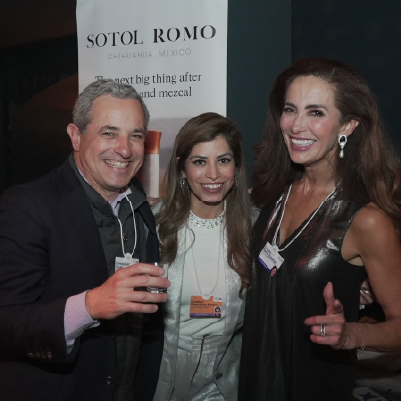
SOTOL FANS COMMUNITY

Sotol Fans Toasting
Group of People Enjoying Sotol
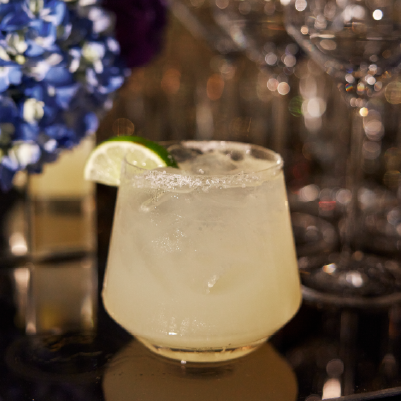
Sotol Mixed Drink Feature
Small Group of People Enjoy Soto

CREATE WITH US

Partner with us & Collaborate

* indicates required